Why is Admitting You Have a Problem the First Step?

There are plenty of terms and ideologies from Alcoholics Anonymous that have crossed over into mainstream vernacular. The most well-known by far is the concept that admitting you have a problem is the first step to fixing it. This is a reference to Step 1 from AA, one that you’ve very likely heard before even if you’re not in the addiction recovery community. 

Not only is this concept the beginning of the foundation on which all of AA’s 12 Steps are based, but it is central to the fundamental principles of the organization as a whole. If you’re brand new to 12-step-based recovery groups, read this first to learn why being able to admit you have a problem is so important. 

The trouble with denying that you have a drinking problem

Alcoholics—anyone with any type of addiction, really—are often really good at hiding things. This includes hiding things like receipts, injuries, and any signs that their lives are falling apart. Sometimes, they’re so good at this that they end up fooling themselves as well. 

They convince themselves that their drinking habits are fine—and since everything is “fine”, there’s no reason to change. Then, as their substance abuse drives them further and further into isolation and there are only a few (if any) people around them to try and tell them that their drinking is out of hand, this lie gets easier to tell. 

That’s why admitting you have a drinking problem is absolutely pivotal to overcoming addiction. Until reaching this point, an alcoholic likely wouldn’t be receptive to any attempts to change their behavior. Being able to make such an admission is the very sign that you’re now mentally at a place to confront an out-of-control drinking habit.

What are the five stages of recovery?

When working the steps of AA, the first step to recovery is acceptance. However, there’s quite a bit that goes on before a person gets to this stage. The transtheoretical model is a concept that explains the different phases a person goes through before they’re mentally ready to go through addiction treatment. 

  1. Precontemplation 

During the precontemplation stage, seeking treatment for alcohol addiction is nowhere on the person’s radar. They’re deeply in denial about their issue; defensive and actively rationalizing their destructive behaviors. Not only are they unwilling to face the reality of their substance abuse, but they’re unable to fully grasp the full scale of the negative consequences.

  1. Contemplation

A person who’s open to the idea of getting help or getting treatment has moved into what’s known as the contemplation stage. They’re willing to consider a future that involves being drug-free. They may or may not be willing to admit they have a problem, but they’re far more receptive to friends and family members.

  1. Preparation

The preparation stage is entered when a person begins making efforts to change. This could be searching for drug rehab centers online, reading others’ sobriety journeys in forums, dumping their alcohol down the drain, or admitting that they have a drinking problem.

They may successfully go without drinking for a few days. However, it’s common that during this stage people have second thoughts when they realize how much effort getting sober will actually require, and return to the contemplation or even precontemplation stage. 

  1. Action

The action stage is marked by continued efforts to make a change in multiple aspects of their life: be it physical, emotional, mental, or social. They’re committed to the process and have successfully maintained prolonged periods of abstinence. Not only are they making the necessary corrections to undo their substance abuse, but they are actively attempting to unlearn old patterns while gaining positive new ones.  

  1. Maintenance

As its name implies, the maintenance stage is when a person is continuing their healthy, drug-free lifestyle, and turning abstinence into a permanent habit. Relapse prevention is the primary focus and they have several tools to use to help them deal with triggers and cravings. The person is more independent, confident, and positive about their ability to remain abstinent.

You can only help someone who wants to be helped

No matter how dire a person’s drinking problem may be, nothing will change unless they’re willing to acknowledge its necessity. This can be frustrating to family members and friends as they watch their loved ones self-destruct. While they may be limited in the help they can provide, the situation is far from hopeless. 

A great way to start the addiction recovery process to simply get that afflicted person to an AA meeting. Being confronted with others who have been in their shoes can be the wake-up call they need to get the wheels churning. Find an AA meeting near you and get started for free.


Where to Find Worksheets for the 12 Steps of AA

As the Alcoholics Anonymous organization has continued to grow and evolve, so too have the tools and resources available to its members. One of the most practical and sought-after are 12 Steps AA worksheets. They’re great for helping organize thoughts and feelings that might otherwise be chaotic and difficult to confront. Plus, there’s just something about putting pen to paper that, for better or worse, makes things feel more real. Follow these guided worksheet questions for all twelve steps and a simplified explanation of what each of them means.

The 12 Steps of AA: Simplified

Below you’ll find a brief overview of each of the 12 Steps that includes what it means and why it matters. Use this in conjunction with any of the worksheets you use to remind yourself what the step is all about and to compare it to other steps that might have a similar lesson. 

  1. You need to be able to admit you have a problem before you can begin recovery. If you’re still in denial, you aren’t in the right mindset for changing. 

“We admitted we were powerless over alcohol—that our lives had become unmanageable.”

  1. Relinquishing the need for control and finding an external source of motivation. This “Higher Power” doesn’t need to be a religious entity and can be anything that you find motivational.

“Came to believe that a Power greater than ourselves could restore us to sanity.”

  1. Learn to accept that you cannot control everything. Once you do, you’ll allow yourself to rely on others which opens you to helpful guidance and advice. 

“Made a decision to turn our will and our lives over to the care of God as we understood Him.”

  1. Taking an honest look at yourself can help you evaluate how your drinking got to such a point, and show you how you can improve. 

“Made a searching and fearless moral inventory of ourselves.”

  1. Sometimes we need to be vulnerable and brutally honest with ourselves in order to move forward. It’s not easy, but it’s worth it. 

“Admitted to God, to ourselves, and to another human being the exact nature of our wrongs.”

  1. Motivation is key to creating long-lasting change. After a brutally honest evaluation of ourselves, we identify and release the negative aspects of our character. 

“Were entirely ready to have God remove all these defects of character.”

  1. Achieving change doesn’t happen without humility, accountability, and most of all—action. 

“Humbly asked Him to remove our shortcomings”.

  1. Drinking doesn’t just hurt ourselves, but also the people around us. Taking responsibility by acknowledging our past faults will, in turn, help us forgive ourselves. 

“Made a list of all persons we had harmed, and became willing to make amends to them all.”

  1. In the last step we talked the talk, now it’s time to walk the walk and do right by the people that we hurt in the past. 

“Made direct amends to such people wherever possible, except when to do so would injure them or others.”

  1. Make mindfulness a constant practice and remain vigilant that we’re acting and thinking in a way that supports our goals. 

“Continued to take personal inventory and when we were wrong promptly admitted it.”

  1. Don’t expect perfection from yourself, but always strive to be better (and be gracious when you experience setbacks). 

“Sought through prayer and meditation to improve our conscious contact with God, as we understood Him, praying only for knowledge of His will for us and the power to carry that out.”

  1. Help others accomplish their sobriety goals by taking part in the organization and using your experiences as a way to help others who are struggling. 

“Having had a spiritual awakening as the result of these Steps, we tried to carry this message to alcoholics, and to practice these principles in all our affairs.”

AA Worksheet Resources

https://12step.org/tools/12steporg-worksheets/all-12-step-questions-english/

https://12steppers.org/12-step-programs/12-step-worksheet/

Not sure how to work the 12 Steps?

The 12 Steps is the foundation of Alcoholics Anonymous. They’ve inspired countless other peer-based support groups, bringing hope and change to millions of people. The principle behind each step is as relevant and effective today as it was more than 80 years ago when AA was initially created. 

While it’s possible to read, study, and work the 12 steps on your own, it can be very helpful to have insight and support from peers. Alcoholics Anonymous meetings offer a safe, judgment-free space to meet with others who have gone through similar struggles. Find an AA meeting near you today for guidance on understanding how to incorporate these lessons into your everyday life. 

How Do You Live a Sober Lifestyle?

Being sober is a lengthy process, and it takes hard work.  It may take months or even years to get sober and keep yourself that way. Understanding this before beginning your recovery journey is important so that you don’t feel hopeless, frustrated, or defeated when things don’t go as planned. Nonetheless, if you’re ready to live your sober lifestyle to its fullest, here are some tips to help you get started

1. Surround Yourself With Positive Influences

Living a sober lifestyle is all about finding the right support. Whether it’s your partner, parents, siblings, or friends – you need someone who will be there for you. You need to surround yourself with people that bring positivity into your life. It might sometimes feel selfish, but stay away from people constantly involved in drama or challenges that get you down. 

2. Stay Focused On Sobriety

You may be experiencing a multitude of new emotions and sensations right now. It can be challenging to feel so many different things at once, especially when your emotions are heightened by alcohol withdrawal. The key to staying sober is not dwelling on these feelings or thoughts and instead focusing on what matters: keeping yourself safe and healthy.

You have worked hard to achieve sobriety, so keep yourself grounded by reminding yourself why it’s important for your health today and tomorrow.

3. Learn to Say “No”

While you want to return to normalcy, the real world is anything but normal. Learn to say “no” to activities, places, and people that trigger you. Focus on accepting invitations that promote sobriety and help you find your new self in sobriety. 

4. Focus on New (Healthier) Habits

Like you learned in rehab or throughout your recovery journey, healthier habits are the core of sobriety. Try to start with small healthy habits like eating a wholesome breakfast, exercising 30 minutes a day, or going for a walk every other day. These small habits will help you stay focused on your physical and mental health as you navigate those early sobriety days. 

5. Stay Busy with (Sober) Family and Friends

Speaking of sobriety days, you need a plan. You’ll also need to actively work on finding healthy ways to fill your time when cravings hit or when boredom sets in. It’s important that as soon as these feelings arrive or arise, instead of turning to drugs or alcohol for relief, you reach out for help. Contact friends or family members who understand what you’re going through so they can provide support if needed.

6. Get Involved in Activities That Promote Sobriety

Likewise, you want to participate in activities that promote sobriety. For example, instead of accepting an invitation to a bar, try to visit a museum, zoo, park, or another place where alcohol or drugs aren’t expected. Volunteering opportunities are great activities to focus on sobriety. Not to mention, gratitude and giving back to your community will give you a newfound sense of belonging that can help you stay sober in the long run. 

7. Don’t Dwell in the Past

Remember how grateful you should be for your sobriety. It’s easy to forget how good life can be when faced with addiction and its consequences every day, but taking a moment now and then to recognize just how far you’ve come is an important part of staying sober for the long haul.

8. Join a Support Group and Find a Sponsor

Attending support meetings and staying in touch with your sponsor are key to living a sober lifestyle. Even after completing the 12-Steps, attending support group meetings can be an incredible resource to enjoy sober living. These meetings are an excellent reminder as to why you started your recovery journey in the first place. And, remember, you can always call your sponsor whenever you feel you’re falling off track. 

9. Focus on the Positives of Sobriety

Whenever you feel lost in your recovery journey, focus on the real-life positives of sobriety. For example, after being sober, you can see your family, hold a job, remember your children’s recitals, connect with your partner, and so on. Every so often, sit down for a few minutes and write down how being sober has changed your life. Remembering these things will help you stay strong in your sobriety journey. 

10. Consider Joining an Aftercare Program 

If you feel you’re not ready to give sober living a try by yourself, consider an aftercare program. Many rehab centers offer aftercare recovery programs as an extension of rehab. These programs offer structure and reliability as you connect with others in early sobriety in a somewhat flexible environment designed to help you find your place in sobriety. 

How Do You Live a Sober Lifestyle?

Being sober is a lengthy process, and it takes hard work.  It may take months or even years to get sober and keep yourself that way. Understanding this before beginning your recovery journey is important so that you don’t feel hopeless, frustrated, or defeated when things don’t go as planned. Nonetheless, if you’re ready to live your sober lifestyle to its fullest, here are some tips to help you get started. 

1. Surround Yourself With Positive Influences

Living a sober lifestyle is all about finding the right support. Whether it’s your partner, parents, siblings, or friends – you need someone who will be there for you. You need to surround yourself with people that bring positivity into your life. It might sometimes feel selfish, but stay away from people constantly involved in drama or challenges that get you down. 

2. Stay Focused On Sobriety

You may be experiencing a multitude of new emotions and sensations right now. It can be challenging to feel so many different things at once, especially when your emotions are heightened by alcohol withdrawal. The key to staying sober is not dwelling on these feelings or thoughts and instead focusing on what matters: keeping yourself safe and healthy.

You have worked hard to achieve sobriety, so keep yourself grounded by reminding yourself why it’s important for your health today and tomorrow.

3. Learn to Say “No”

While you want to return to normalcy, the real world is anything but normal. Learn to say “no” to activities, places, and people that trigger you. Focus on accepting invitations that promote sobriety and help you find your new self in sobriety. 

4. Focus on New (Healthier) Habits

Like you learned in rehab or throughout your recovery journey, healthier habits are the core of sobriety. Try to start with small healthy habits like eating a wholesome breakfast, exercising 30 minutes a day, or going for a walk every other day. These small habits will help you stay focused on your physical and mental health as you navigate those early sobriety days. 

5. Stay Busy with (Sober) Family and Friends

Speaking of sobriety days, you need a plan. You’ll also need to actively work on finding healthy ways to fill your time when cravings hit or when boredom sets in. It’s important that as soon as these feelings arrive or arise, instead of turning to drugs or alcohol for relief, you reach out for help. Contact friends or family members who understand what you’re going through so they can provide support if needed.

6. Get Involved in Activities That Promote Sobriety

Likewise, you want to participate in activities that promote sobriety. For example, instead of accepting an invitation to a bar, try to visit a museum, zoo, park, or another place where alcohol or drugs aren’t expected. Volunteering opportunities are great activities to focus on sobriety. Not to mention, gratitude and giving back to your community will give you a newfound sense of belonging that can help you stay sober in the long run. 

7. Don’t Dwell in the Past

Remember how grateful you should be for your sobriety. It’s easy to forget how good life can be when faced with addiction and its consequences every day, but taking a moment now and then to recognize just how far you’ve come is an important part of staying sober for the long haul.

8. Join a Support Group and Find a Sponsor

Attending support meetings and staying in touch with your sponsor are key to living a sober lifestyle. Even after completing the 12-Steps, attending support group meetings can be an incredible resource to enjoy sober living. These meetings are an excellent reminder as to why you started your recovery journey in the first place. And, remember, you can always call your sponsor whenever you feel you’re falling off track. 

9. Focus on the Positives of Sobriety

Whenever you feel lost in your recovery journey, focus on the real-life positives of sobriety. For example, after being sober, you can see your family, hold a job, remember your children’s recitals, connect with your partner, and so on. Every so often, sit down for a few minutes and write down how being sober has changed your life. Remembering these things will help you stay strong in your sobriety journey. 

10. Consider Joining an Aftercare Program 

If you feel you’re not ready to give sober living a try by yourself, consider an aftercare program. Many rehab centers offer aftercare recovery programs as an extension of rehab. These programs offer structure and reliability as you connect with others in early sobriety in a somewhat flexible environment designed to help you find your place in sobriety. 

Is it True That Once an Alcoholic Always an Alcoholic?

Can a recovering alcoholic ever drink again–even just occasionally? Not according to Alcoholics Anonymous. The AA philosophy is that the only way to overcome alcoholism is through complete and total sobriety, the rationale being that someone who had a dysfunctional relationship with drinking could never have a normal relationship with this habit afterward. 

This can seem a pretty black-and-white view of alcohol addiction recovery, but scientifically, it does have some merit. Addiction can permanently rewire our brains and bodies, an occurrence that’s known as epigenetics, that can forever change how our brain reacts to alcohol and other drugs, our stress threshold, and more.  

So is the idea that ‘once an alcoholic, always an alcoholic’ true or not? We answer this once and for all. 

The Epigenetics of Alcoholism

Alcohol may be legal, but it’s a very powerful drug. It’s so powerful that it can permanently rewire our brains and alter how our genes express themselves, even after addiction treatment. These changes can make us more susceptible to addictive behaviors such as lowered stress threshold (more easily upset), a greater inclination to use drugs and alcohol to cope, and heightened susceptibility to becoming addicted to alcohol or other substances.   

So in a way, alcoholism can linger in the brain and body forever. Even a person who’s been sober for decades may still have an increased sensitivity (and therefore, risk) to alcohol, stress, and substance abuse. 

If there’s a will, there’s a way

If you consider how alcoholism (or addiction itself) feeds itself in a cycle of ever-continuing biological and social feedback, you’d recognize how remarkable it is that anyone ever manages to get sober, even if it’s just for a short period of time. Addiction is a scarily efficient disease that thoroughly takes over our bodies, yet just treating the physical symptoms of addiction doesn’t do much for long-term recovery. It’s like putting a bandaid on a sinking ship. 

That’s why even though alcoholism is a medical condition, you can’t undermine the power of willpower. In fact, one of the best indicators of whether a person will successfully complete addiction treatment is motivation. Having a genuine desire to get better can be enough to break the scarily efficient cycle of addiction. Simply wanting to be sober can be a major factor for success.

Addiction is as much psychological as it is physiological–and alcohol is very effective at hijacking our brains and how they operate. That’s why any real shot at getting sober will likely require some sort of counseling or therapy and it’s such an integral part of most alcohol addiction treatment programs.  The same reason why wanting to be sober is so important is why It’s also 

A believer in the idea that a recovered alcoholic should never drink again might point to the common experience known as relapsing. A relapse is when a person abandons the attempt to stay sober after a period of abstinence. It can be a frustrating experience for the person in recovery and their loved ones that feels like it’s a setback at best, failure at worst. 

Not only is this not the case (that relapse is failure) but relapse is totally normal and a part of the recovery journey. Why? Alcoholism is a medical disease like that of diabetes, asthma, or cancer–not a moral failing or a lack of willpower. And like those diseases, there can be up to a 70% chance of relapsing. You would never tell a cancer patient it’s their fault their cancer came back, would you?

Once an alcoholic is always an alcoholic: True or False?

While it’s true that alcoholism can have lingering effects that can make a person more susceptible to falling into bad habits, it doesn’t mean they’re incapable of making lasting change. We don’t like the phrase “Once an alcoholic is always an alcoholic” because it minimizes that people can grow, mature, and change for the better.

Ultimately, whether a recovering alcoholic can ever drink again is a personal decision that only they can determine for themselves. Some people may find that they’re okay with having the occasional sip of beer or wine without losing control. Others may not be or are unwilling to risk it and find out by trying. 

Neither sentiment is more correct than another. The most important thing to keep in mind for a recovered alcoholic considering drinking again is to consider their motivations for wanting to do so and make sure they have support nearby in case things go awry. 

If you or a loved one is struggling with alcoholism, you can find help from others who’ve been in your very shoes. Find an Alcoholics Anonymous group near you today.  

What are the 61 Rules of AA?

Life is full of rules, and so too is the road to sobriety. But the story of the 61 rules of aa (and the origin of rule 62), is a great reminder that sometimes departing from a bunch of rules and the simple approach is best. Here’s the story of how Alcoholics Anonymous came close to having over five dozen rules, and what we can learn from the fact that it didn’t come to pass. 

The 61 Rules of AA

The Alcoholics Anonymous 12 and 12, also known as the book of Twelve Steps and Twelve Traditions, tells a story about the early history of the AA organization (in the chapter about the Fourth Tradition).  A local group had gotten permission to create an elaborate treatment center and community. They determined that there needed to be rules about how this entity would function and operate and devised 61 of them. Unable to come to an agreement amongst themselves, the group sent their list of 61 rules to the New York office of Alcoholics Anonymous for the final say. 

The office, which was run by volunteers of current and past AA members, had no experience or idea of how to run such an entity. After discussing the 61 rules that were sent to them, they came up with the profoundly wise saying: ‘Don’t take yourself too damn seriously”. There you have rule 62 of AA’s origin.

What Does Rule 62 Mean?

It’s easy to get caught up in our lives and our current goals. Even one as important and necessary as getting sober, however, can cause us to get wrapped up in ourselves and what we’re pursuing. Rule 62 is meant to remind us to stay humble and help us keep perspective. Neither is it about belittling the effort it takes to overcome alcoholism.

The reminder to not take ourselves too seriously makes it easier to view our setbacks and mistakes in a kinder light. Having a more lighthearted view of the recovery journey gives us more room to err and also encourages us to be kinder to ourselves in light of ourselves. We’re going to make mistakes (and that’s okay!) and to expect anything else means we’re holding ourselves to an unrealistic standard.  

Another meaning of the rule is to recognize that life can still be enjoyable and pleasurable without alcohol. The weight of addiction hanging over your head can make things seem ‘doom and gloom’ and it can be hard to picture your life in the after stage of addiction. Not taking yourself too seriously also means giving yourself permission to look for joy and fun, to laugh at yourself, and to appreciate the little things, even while in pursuit of something as important as sobriety.  

How to Not Take Yourself Too Seriously

Here are five ways to lighten up during your alcohol addiction recovery journey:

  1. Make new friends. Finding people that you have things in common with and whose presence you enjoy can be a great reminder that you are not an island and that you can still relate to others (and have a good time doing it!). 
  2. Attend fun events. Sure, going to AA meetings is a great thing, but you shouldn’t forget about events that cater to other interests or that would allow you to meet people that aren’t in recovery. These events will help to remind you that you are more than just “in recovery” and can reignite your passion for the future.
  3. Laugh at yourself. The ultimate sign of humility is the ability to laugh at yourself. Being able to find the humor in past, possibly unpleasant, circumstances means that you’ve grown and moved on enough that you can view it with a light heart.

What are the Rules of AA?

Alcoholics Anonymous doesn’t really have rules, nor is there an AA rule book. AA recognizes that there’s no one way to go about sobriety. Instead, AA has the 12 Steps, the 12 Traditions, the 12 Prayers, and over a hundred AA slogans which are used to guide members through their alcohol addiction and into recovery. Members are encouraged to use all of these resources as best serves them, which could include mixing and matching. 

However, that’s not to say that there’s no structure at all. It’s highly recommended that participants work through the 12 Steps in order, even if they feel stuck on it. The Big Book and other AA literature provide plenty of guidance on the best way to think about alcoholism and recovery and to make progress. And remember that AA doesn’t have a strict ‘my way or the highway’ approach with rules that members must abide by.

Want to learn more about AA? Find an Alcoholics Anonymous group near you today. 

What is a Sober Personality?

Drug addiction is an all-encompassing disease that can take over our brains, causing us to do, say, and think things we normally never would, and can lead us to forget who we were before drugs. Depending on how long a person has struggled with substance abuse, they might have started believing that who they are intoxicated is who they are and always have been. 

So while we’ve all heard of a drunk personality, which is the way you act when you’re intoxicated, what about a sober personality? Let’s look at just how much drugs or alcohol can change how we act–if at all–and why sober you will always be the best version of yourself.  

Can drugs change your personality?

Yes, drugs and alcohol can alter your personality. Being under the influence can make you a little more outgoing, a little flirtier, or possibly more aggressive in the short term. A significant reason is that drugs can affect the brain in a way that lowers inhibitions slows reaction time, and interferes with general cognitive function. 

However, those differences in personality might not be as major as you might think. The main reason for any significant difference in personality is not because of the drugs themselves, but socially, many people find intoxication as an excuse to engage in behavior they know would otherwise be inappropriate or acceptable. 

Then there is the influence that media has on our perceptions of how to act while under the influence. Seeing intoxication modeled through pop culture can also shape how we think we’re supposed to behave. 

What is a sober personality?

A sober personality is simply who you are when you are not under the influence of drugs; your default state of being. For those who have struggled with substance abuse for a long time, the idea of who they are while sober can leave them with a bit of an identity crisis. Odds are that you’ll find that your personality “changes” (since the differences between you when you are intoxicated and your normal self are mostly perceived) for the better.

5 ways how to be sober

Now that we have convinced you that you do not have to be scared about who you turn into if you no longer drink or do drugs, let’s talk about ways to be sober. First, let’s tackle the hulking elephant of a question: what does it mean to be sober? The definition of sobriety is simply abstaining from indulging in a mind-altering substance.  

  1. Know your triggers: Understanding why you drink or use drugs is one of the best ways to set yourself up for success when getting sober. Do you use them recreationally so that you feel more comfortable in social situations? Or perhaps to cope with the stressors of home life? Once you’ve identified these things, you can start to develop alternative plans for dealing with them that don’t involve drugs.
  2. Ditch your old ways: Your environment and the people you hang around can influence your behavior–including drug use. Avoid people, places, or situations that you associated with using drugs. By taking yourself out of those situations, you lower the chance that you could be tempted into a bad decision or doing something simply because it’s familiar and comfortable. 
  3. Find a support network: Addiction can be an isolating experience, that’s why one of the cornerstones to doing so is to surround yourself with people who will encourage you and–most importantly–keep you on track if you falter. These are people who will check in on you, try to keep you occupied and motivate you when you feel discouraged. Your support group can include people who have been through addiction or those who haven’t. All that matters is that they have your best interests at heart and want to see you succeed.
  4. Start exercising. Getting physical can do wonders for your body and mind. Exercising releases endorphins, dopamine, and serotonin, all of which boost your mood and help you to replace drugs or alcohol as the main source of things that make you feel good. Exercising also offers the benefits of improving your sleep cycle, the basis of a balanced lifestyle upon which better decisions can be made. 

If you or a loved one wants to get sober but isn’t sure where to start, you can find support from your peers at Alcoholics Anonymous or Narcotics Anonymous meetings. Join one for free and hear from others who have been in your shoes. Find a meeting near you today.  

The (Alcoholics Anonymous) Resentment Prayer

Battling alcoholism means confronting your fair share of negative emotions. A common one is resentment–resentment towards loved ones who “let” you drink, resentment towards work or a person for stressing you out, and resentment towards yourself for letting things get out of hand. It’s such a pervasive issue that the Big Book of AA talks calls it the “number one offender” for destroying alcoholics. If you struggle with placing blame on others, join us in breaking down the meaning of the Resentment Prayer and how to apply it to your own life. 

What Is Resentment, and Why Does It Matter?

Resentment is defined as “a feeling of indignant displeasure or persistent ill will at something regarded as a wrong, insult, or injury.” In short, feeling that you were wronged and treated unfairly and being unable to let it go or forgive. It’s a poisonous feeling that can make us feel self-righteous at the moment but irreparably harm our relationships with others and ourselves.

It’s something that many recovering alcoholics grapple with but can be highly detrimental to their recovery process. Why? Having feelings of resentment is in direct opposition to the core principles of AA: accepting personal responsibility for a drinking problem, getting rid of pride, and relinquishing control.

Not only are such feelings harmful to our mental health, but they are tremendously unproductive. It is similar to holding a grudge, but it only hurts you in the long run–the person you are upset with is usually oblivious to how you feel. Continuing to blame others for your own actions or shortcomings can signal that you’re not in the right mindset to move on to the other steps of AA and gain their full benefit. 

Signs of Resentment

  • Unable to stop thinking about the source of insult for long periods of time
  • Passive-aggressive behavior
  • Avoiding the person to prevent negative emotions
  • Desire for revenge

The AA Resentment Prayer

The 4th Step Resentment Prayer of AA, page 552 of the Big Book, reads as follows:

“God, Please help me to be free of anger and to see that the world and its people have dominated me. Show me that the wrong-doing of others, fancied or real, has the power to actually kill me. Help me to master my resentments by understanding that the people who wronged me were perhaps spiritually sick. Please help me show those I resent the same Tolerance, Pity, and Patience that I would cheerfully grant a sick friend.** Help me to see that this is a sick man. Father, please show me how I can be helpful to him and save me from being angry. Lord, help me to avoid retaliation or argument. I know I can’t be helpful to all people, but at least show me how to take a kindly and tolerant view of each and every one. Thy will be done.”

This prayer is an exercise in replacing blame with compassion–something much easier said than done. The Big Book recognizes this by acknowledging that you likely won’t mean what you say the first few times you recite the Resentment Prayer. The Big Book further specifies reciting this prayer with the person(s) who’ve wronged you in mind and to continue doing it daily for at least two weeks until you eventually do mean what you’re saying.

How to Release Resentment

If you find yourself struggling to let go of resentment, here are some other things to try:

  • Explore the feelings behind your resentment. What’s the first thing that comes to mind when you think of the incident that caused you to resent the person? Embarrassment or shame? Inadequacy? Fear? In most cases, it’s not that the person did something unforgivable but that they made you feel a way that you really didn’t like, which was channeled into anger to protect your wounded ego.
  • Be empathetic. Make a genuine effort to try and see things from their point of view and ignore what your intentions were or any other information that they could not have known. Considering their actions through a different lens can help you realize that the situation may not have been as black and white as you previously thought. Misunderstandings happen.
  • Focus on gratitude. Considering the positive things in your life can provide some much-needed perspective. In the grand scheme of things, a quarrel with a friend or romantic partner might not be the big deal you initially thought it was. Bonus: positive thinking can lower your stress, making it easier for you to let go of those negative feelings. 

Seeking Support for Resentment: The Importance of Talking It Out

It can be challenging working through resentment alone. Find a person you trust, such as a therapist or your AA sponsor, to talk your feelings through. Having a neutral third party to consult can help you navigate your own emotional blindspots. Find an AA meeting near you today.

What Is Emotional Sobriety in AA?

Abstinence is obviously an important aspect of overcoming addiction. It’s vital to breaking the cycle and physically recovering from the ravages of substance abuse. However, getting the drug out of your system is only half of the battle. You must also eventually gain control over your psychological relationship with alcohol to ever truly be considered recovered. Alcoholics Anonymous has a term for this called emotional sobriety. Learn what AA says about emotional sobriety in the Big Book, why it’s so important, and how to achieve it for yourself. 

The Meaning of Emotional Sobriety in AA

Let’s start off with an example. Say that you and your significant other just broke up. You fill every moment of every day with distractions so that you don’t have an opportunity to think about them. You proceed like this during the first few weeks or months of the breakup, which is pretty normal and even healthy to do. If you gave yourself permission to think about them, you might end up caving and reaching out to rekindle the relationship. 

Then, imagine that 1, 5, or 10 years from now, you still refuse to acknowledge thoughts about them because any time you do, you feel tempted to go back to them. That approach isn’t looking so healthy, is it? You may have stayed away from a person that wasn’t right for you, but you never fully got over them either. This is essentially the core concept of emotional sobriety. 

What’s a Dry Drunk?

The topic of emotional sobriety in the Big Book refers to individuals who give up alcohol without making any internal changes as dry drunks (this is different from a dry drunk syndrome which is a medical condition). These individuals may not physically consume alcohol or another drug, but they still have the same unhealthy patterns of behavior that led to substance abuse in the first place. 

Red flags of dry drunk behavior include:

  • Failing to acknowledge that their alcohol consumption was problematic
  • No attempt to understand what drove them to drink
  • Still has unhealthy reactions to stressful situations (and no attempt to find new coping methods)
  • Attends 12-Step meetings but doesn’t participate
  • Refuses to be around alcohol/Can’t be around people drinking
  • Does not hold themselves accountable for their actions
  • Harbors bitter feelings toward themselves/Unable to forgive themselves

Practicing Emotional Sobriety 101

We’ve covered what emotional sobriety is and why it’s essential to alcoholism recovery so now let’s discuss ways to practice and maintain emotional sobriety.

2. Mindfulness

This simple practice is about staying in the present moment; acknowledging your feelings and sensory observations without judgment. Research has shown that it’s effective for lowering stress, improving emotional regulation, focus, and memory, and even boosting the immune system. Many of its benefits are a perfect match for the precise way that substance abuse can harm a person. The most common method of practicing mindfulness is through meditation. 

3. Find a support network

Addiction is a very isolating disease. Finding a support network is crucial both to holding yourself accountable, but also breaking down the walls that may have contributed to alcohol abuse in the first place. Research has shown that having social support can play a significant role in predicting the outcome of successful addiction treatment.

4. Go to therapy

There’s no substitute for professional psychological help. They can help you unravel the cause of your drinking problem and help you develop realistic coping strategies in the face of triggers or cravings. They can also help you identify if there’s a mental illness that may have contributed to addiction and provide appropriate recommendations.

5. Attend AA meetings

Free and with minimal commitment required, attending Alcoholics Anonymous meetings is a low-stakes way to meet and hear from others who have been in your exact shoes. Realizing that you’re not alone in your struggle with alcohol addiction is both comforting and empowering. It’s important to go with an open mind and with the intention of fully participating. Otherwise, going to an AA meeting is an empty gesture that’s unlikely to provide you with any real benefit. 

Simply giving up booze doesn’t mean that you’re recovered. You need to be able to address why it happened and more importantly, be able to have thoughts about alcohol that don’t send you back to the bottle. A lack of emotional sobriety means you’re never far from relapsing. A particularly bad day can send you back to square one if you don’t have the correct means to work through triggering situations. Learn more about the definition of emotional sobriety and find an AA meeting near you today.

Should You Consider Ketamine Treatment for Alcoholism?

Interest in ketamine has increased over the past years, but most recently over the past months. Ketamine therapy, ketamine infusions, and other uses for ketamine, including treatment for alcoholism. This buzz started after new studies suggested that ketamine could be a helpful treatment for alcohol use disorder. Read on to learn more about ketamine and its connection to alcoholism treatment. 

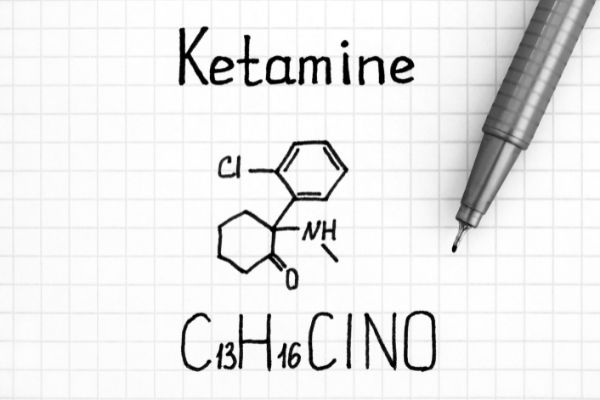
What Is Ketamine?

Ketamine is primarily used as an anesthetic. It’s considered a dissociative drug that can produce detachment from reality. Ketamine is found illegally on the streets as Special K, Kit Kat, Super K, Vitamin K, and other names. It’s found as a white or off-white powder, pills, or liquid form. 

Ketamine for Alcoholism Treatment

New studies suggest that using low levels of ketamine combined with therapy can help people with alcohol use disorder (AUD) stay sober longer. 

The clinical trial found that a combination of ketamine in low doses combined with therapy helped participants stay entirely sober for 162 days. This was an 87 percent abstinence, considered significantly higher than any other group. 

Overall, patients in the ketamine group were 2.5 more likely to remain abstinent at the end of the trial than the participants in the placebo group. 

However, there isn’t a comparison to other forms of alcoholism treatment like naltrexone or acamprosate. Still, ketamine has also been shown to improve depression symptoms, which is why some researchers believe it can positively impact alcohol addiction treatment.

How It Works

Ketamine induces overall dissociation, providing pain relief and sedation. While most people use it as a recreational drug, ketamine is gaining momentum as a potential treatment for addiction. 

When used at very low doses, ketamine can act as an antidepressant that helps block out the depressive feelings associated with alcohol abuse. Combined with behavioral therapy, it can help patients change thought patterns that usually lead to relapse. 

Overall, ketamine treatment can help people suffering from alcoholism be more open to learning new coping mechanisms without experiencing depressive thoughts of recovery. 

The Dangers of Ketamine for Alcohol Abuse Treatment

Ketamine is a powerful drug. Without the proper medical supervision, ketamine can easily lead to addiction. It’s essential to count on the support of a professional therapist who understands the best way to incorporate ketamine in your treatment to avoid the pitfalls of the drug. 

When people combine ketamine with alcohol, the combined effects can be unpredictable and dangerous. Since both drugs act as depressants, it could lead to slow functioning of the heart and lungs, which could be fatal. 

Ketamine alone also causes withdrawal symptoms. People can experience physical and psychological withdrawal symptoms, including cravings, chills, restlessness, anxiety, rapid heartbeat, tremors, and depression. 

Because ketamine is highly addictive, it can also lead to long-term health effects that could be detrimental. People who take large amounts of ketamine or acquire a strong batch from the streets could overdose. While the risk of death from ketamine alone is low, it can cause permanent brain damage and risk of injuries or accidents. 

Finding Treatment for Alcoholism 

When it comes to alcohol abuse treatment, there isn’t a one-size-fits-all. Treatment depends on the severity of the addiction, the time of the addiction, and whether or not someone has co-occurring disorders. Most people will need inpatient or outpatient treatment programs combined with 12-Step programs to achieve long-lasting addiction recovery. 

The most common types of treatment for alcoholism include:

    • Detox: A supervised detox program helps people safely withdraw from alcohol while a team of experts monitors withdrawal symptoms.
    • Behavioral therapy: Individual and group therapy is critical to help patients reframe destructive thoughts and learn coping mechanisms to prevent relapse after leaving treatment. 
    • Medications: Sometimes, medications, including ketamine, might help people stop or reduce their drinking and prevent relapse. The only three medications approved by the FDA to treat alcoholism are naltrexone, acamprosate, and disulfiram.
  • Support groups: Throughout rehab and after treatment attending peer support groups like Alcoholics Anonymous and other 12-Step programs can offer a sense of support and accountability that helps prevent relapse and sustain recovery. 

If you or someone you know is dealing with alcohol use disorders, please seek help. Addiction recovery is possible, whether you start a treatment that uses ketamine prescribed by a trusted professional or try a traditional inpatient rehab program. 

Sources:

https://www.niaaa.nih.gov/publications/brochures-and-fact-sheets/treatment-alcohol-problems-finding-and-getting-help#pub-toc1

https://adf.org.au/drug-facts/ketamine/

https://ajp.psychiatryonline.org/doi/10.1176/appi.ajp.2021.21030277


7 Tips on How to Host the Ultimate Sober Friendsgiving
The holiday season can be challenging for those on the path to …
Court Ordered Alcohol Monitoring Bracelets: What You Should Know
Alcohol monitoring bracelets are an increasingly common punishment for DUI arrests as …
Can you get a DUI on a Bike?
The law is very clear about the consequences of being intoxicated while …

How to Find Online AA Meetings

A major appeal of Alcoholics Anonymous is that it makes recovery accessible. As of 2021, a report conducted by the organization found that there were nearly two million members worldwide, with over 120,000 groups in over 175 countries. In addition to their impressive global presence, online AA meetings are just as plentiful as the physical ones. 

Today, online AA meetings can be found and accessed 24/7 without even having to leave your home. This offering has become more important than ever amid the lockdowns of the ongoing COVID-19 pandemic (though AA had online meetings well before the outbreak began) as the feelings of panic led to decreases in mental health and sharp upticks in alcohol consumption. 

Where to Find Online AA Meetings

Despite being a nearly century-old organization (AA was founded in 1935), Alcoholics Anonymous was quick to embrace the new technology of the times. During the fledgling days of the internet, in the late 80s and early 90s, the first online AA meetings used email groups and virtual bulletin boards to connect. 

As the internet developed into an integral part of our everyday lives, online meetings expanded rapidly in conjunction. Utilizing video and phone conferencing, message boards, newsletters, and chat rooms, virtual AA members have an online community that leaves them no less connected than their physical meetings counterparts. 

There is now an entire subset of Alcoholics Anonymous dedicated to 100% virtual group membership called the Online Intergroup of Alcoholics Anonymous or OIAA (the first-ever fully-online AA group, the Lamp-lighters, which formed in the early 1990s, is still operational and active to this day). You can find online meetings by accessing their portal (registration and login required). However, there are plenty of AA directories that include virtual meetings in their listings. 

Why Choose Online AA Meetings: The Benefits of Virtual Support 

There’s certainly much value to be had in face-to-face interaction, especially when dealing with a disease such as addiction that can feel cripplingly isolating. Just as there’s no one “right” way to overcome alcoholism, no one form of support will be the best fit for everyone. Virtual support groups offer an alternative means to the same support, community, and accountability as in-person AA meetings, but are beneficial for a host of reasons.

1. No transportation required

Depending on how destructive a person’s relationship with alcohol was, they may find themselves without the legal right to drive, financial means for transportation, or the physical or mental capacity to leave their home and maneuver the outside world. A lack of transportation or mobility is just one of the many harsh realities of some of the consequences of addiction. 

2. More accessible to those in rural areas

Outside of densely populated metropolitan areas, more sparsely populated rural locations may find themselves with too few people to have a group serve their area or may find the distance to travel to one of these groups too far to be feasible. Further, those on active military duty in foreign countries or even on base may find themselves without easy or regular access to in-person support. 

3. Easier for those with disabilities

Disabilities such as mobility impairment or hearing loss can make attending in-person meetings not only challenging but less effective. Virtual meetings offer a number of accessibility accommodations that face-to-face meetings don’t offer.

4. Supplement in-person meetings

Whereas some individuals choose online AA meetings out of necessity or convenience, others choose to do so out of a desire for extra support. When crises hit, when cravings seem unmanageable, having to wait a week for the next group meeting can mean a dangerous relapse. Virtual meetings, on the other hand, can be accessed any time, anywhere, with 24/7 chat rooms or round-the-clock video conferencing to offer on-the-spot support.

5. Meet AA members from around the world

Many participants of the online AA community are regular attendees of f2f (face to face) meetings–in fact, OIAA actually recommends that newcomers attend an in-person AA meeting whenever possible. Turning to an online community means entering one with no geographic barriers, making it possible to listen and learn from people halfway around the world that you likely never would have met otherwise. 

How Do Online AA Meetings Work?

Online Alcoholics Anonymous meetings are run in much the same fashion as in-person meetings. There are service positions, meetings can be open or closed, and have rules in place to protect anonymity. They practice the same AA principles and speak on the same official AA literature. Online AA meetings can also meet the requirements for mandated participation. If you need to provide proof of AA attendance, just be sure to verify beforehand whether the source of virtual meetups does so, it’s not a guarantee that all online meetings will offer it. 

7 Tips on How to Host the Ultimate Sober Friendsgiving
The holiday season can be challenging for those on the path to …
Court Ordered Alcohol Monitoring Bracelets: What You Should Know
Alcohol monitoring bracelets are an increasingly common punishment for DUI arrests as …
Can you get a DUI on a Bike?
The law is very clear about the consequences of being intoxicated while …